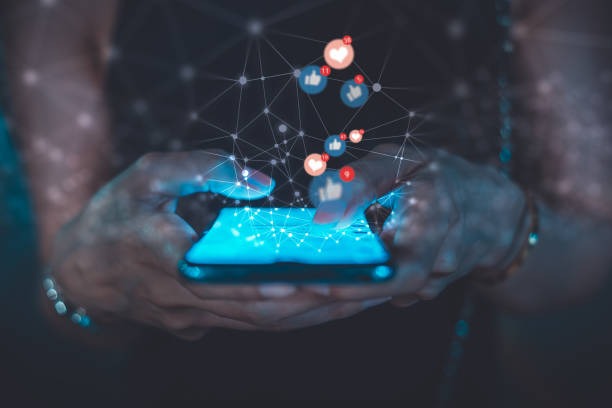

Instagram has grown to become one of the most influential social media platforms in the world, boasting over 1.4 billion monthly active users as of 2023. Among its many features, the “like” button remains a cornerstone of user interaction, driving engagement and shaping online behavior. While it may seem like a simple feature, Instagram likes hold fascinating statistics that reveal much about how people interact with content on this platform.
Every day, millions of likes are exchanged across Instagram posts globally. On average, there are over 4 billion likes generated daily on the platform. This staggering figure highlights just how engaged users are when scrolling through their feeds or exploring new content via hashtags and Explore pages. Interestingly, studies show that photos receive more likes than videos on Instagram—by approximately 36%. This suggests that while video content is rapidly gaining popularity across other platforms like TikTok and YouTube Shorts, Instagram still retains its roots as a photo-centric app for many users.
The psychology behind liking posts is equally intriguing. Research indicates that users are more likely to engage with posts from friends and family compared to those created by influencers or brands. However, influencer marketing remains highly effective; data reveals that sponsored posts smm telegram by influencers often achieve higher-than-average engagement rates because they feel authentic and relatable to followers.
Timing also plays a critical role in determining how many likes a post will receive. Studies suggest that posting during peak hours—typically between 9 AM and 11 AM or around 7 PM local time—can significantly increase engagement rates due to higher user activity during these periods. Additionally, certain days perform better than others; Wednesday tends to be the best day for maximizing likes based on aggregated data from various industries.
Hashtags remain an important tool for boosting visibility and attracting more likes on Instagram posts. Posts with at least one hashtag see an average increase in engagement by about 12%, though using too many hashtags can appear spammy and reduce effectiveness.
Perhaps most surprising is the fact that Instagram experimented with hiding public like counts in several countries starting in late 2019—a move aimed at reducing pressure associated with social validation metrics online. Although controversial at first, this change was praised for promoting mental well-being among users while allowing creators to focus more on meaningful connections rather than chasing numbers.
These statistics underscore not only how integral “likes” have become within digital culture but also their evolving role as part of broader conversations about authenticity and mental health online.